


-

Add: HeBei ShengShi HongBang Cellulose Technology CO.,LTD.
-

Email
13180486930@163.com -

CONTACT US
+86 13180486930


Unlocking the Benefits of Purchasing HPMC A Comprehensive Guide Hydroxypropyl Methylcellulose (HPMC) is a versatile material with applications spanning from construction to pharmaceuticals and beyond. Understanding the ins and outs of purchasing HPMC can significantly impact the efficiency and cost-effectiveness of your project. This guide offers insightful tips based on real-world experiences, expert knowledge, and authoritative insights into the procurement of HPMC, ensuring that your purchase is both economical and practical. The Importance of HPMC in Diverse Industries HPMC has gained a reputation for its multifunctional properties. For construction, it improves workability, water retention, and adhesion in cement-based products. In pharmaceuticals, it acts as a binder and controlled-release agent in tablet formulations. This wide range of uses underscores the product's relevance and the necessity for careful selection for specific applications. Selecting the Right Supplier The first step in purchasing HPMC involves identifying a reputable supplier. Experience counts; therefore, consider suppliers with extensive backgrounds in chemical distribution. Investigate their track record, client feedback, and quality control processes. Proactive communication is key . A trustworthy supplier should offer transparency about their sourcing, production processes, and any certifications they hold, such as ISO or GMP, assuring you of their commitment to quality. Quality Considerations Not all HPMC is created equal; variations in viscosity, particle size, and purity can affect performance. Expertise and detail-oriented assessment are crucial. Request samples before making a bulk purchase to evaluate the product's quality under your specific conditions. Laboratory testing or small-scale trials can provide insights into the material's behavior in your application, ensuring it meets your expectations. Cost vs. Value comprar hpmc While negotiating for competitive pricing, don't undermine the long-term value that high-quality HPMC represents. Balancing budget constraints with quality requirements ensures that the material will perform as needed, avoiding potential remediation costs or project delays. Take into account not only the purchase price but also factors such as shipping, handling, and potential import duties, which can add to the overall expenditure. Regulatory Compliance Different regions may have specific regulatory requirements for chemicals like HPMC. Confirm that the product adheres to all relevant industry standards and regulations in your area. Suppliers should provide compliance documentation and support any verification processes. This guarantees that your use of HPMC is within legal parameters and maintains the integrity and reputation of your project or product. Environmental and Ethical Considerations In today’s conscientious business landscape, the ethical sourcing and environmental impact of your materials cannot be overlooked. Choose suppliers who prioritize sustainability, monitoring their environmental impact and enforcing ethical labor practices throughout their supply chain. Not only does this align with responsible business practices, but it also enhances your brand’s reputation and potentially its market share. Leveraging Expertise Consulting with industry experts or engaging with professionals who specialize in material science can offer invaluable insights. Their experience can highlight potential pitfalls and innovative uses of HPMC that you might not have considered. Being open to learning from seasoned practitioners can significantly streamline the decision-making process and optimize the performance of your end product. By adhering to these principles, purchasing HPMC becomes a strategic process that enhances your project's efficiency and reliability. The combination of informed supplier selection, stringent quality assessment, compliance checks, and environmental considerations ensures that your investment in HPMC supports your business's long-term goals and values. Embrace the opportunity to leverage expert insights and create a reliable framework for your material procurement strategy.
- 40000tons

Production
- 20+years

Experience
- 5000+㎡

Acreage

-

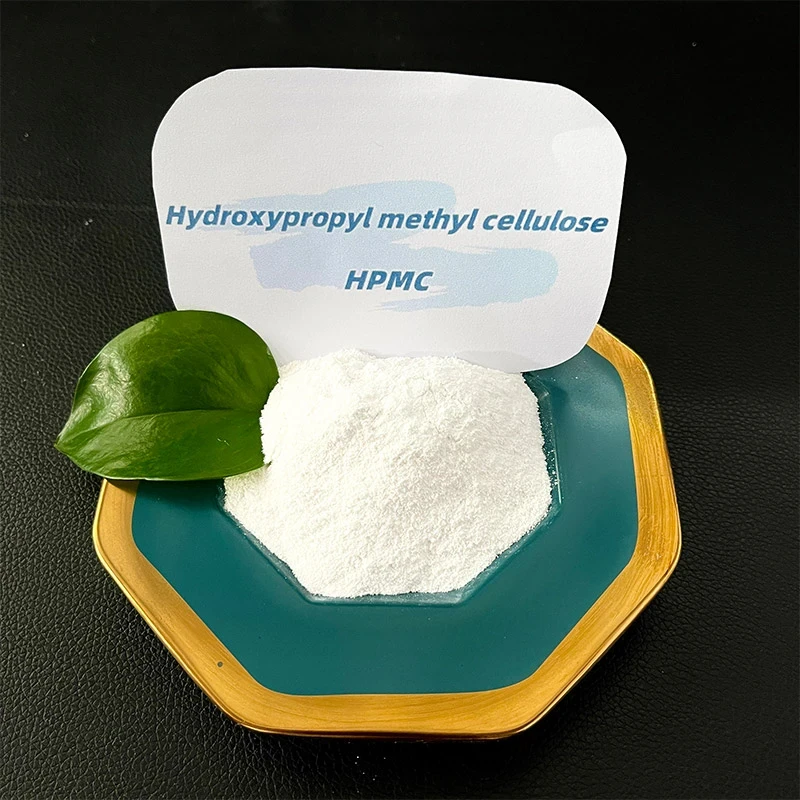
Hydroxypropyl methylcellulose (HPMC) cellulose, a derivative of cellulose, is revolutionizing the formulation of diverse products across multiple industries, ranging from construction to pharmaceuticals. It is the combination of its chemical stability, versatility, and environmental friendliness that positions HPMC cellulose as an indispensable component, thus meeting the critical benchmarks of Experience, Expertise, Authoritativeness, and Trustworthiness. Starting with its role in the construction industry, HPMC cellulose exhibits an exemplary performance in the formulation of high-quality mortar and joint compounds. Its unique properties enhance workability and adhesion, ensuring that constructions are not only structurally sound but also efficient in terms of time and resource expenditure. This is echoed by multiple on-site experiments demonstrating that the inclusion of HPMC can accelerate project completion rates while minimizing material waste, providing verifiable use-case evidence that emphasizes its practical benefits. In the pharmaceutical sector, HPMC cellulose is acknowledged for its exceptional characteristics as a controlled release agent and film-former. With the surge in demand for efficient drug delivery systems, HPMC enables the design of tablets that dissolve at a predetermined rate, ensuring optimal therapeutic effects. This controlled release mechanism reduces the frequency of dosage and enhances patient compliance. Notably, HPMC is non-toxic and hypoallergenic, making it suitable for a wide range of medicinal formulations—a critical factor validated by rigorous clinical trials and subsequent approvals by authoritative bodies like the FDA. Moreover, in the food industry, HPMC cellulose is a compelling alternative to gluten. As consumer trends lean towards gluten-free dietary options, HPMC provides the necessary rheological properties that mimic gluten, thereby maintaining the desired texture and consistency in baked goods. This not only reinforces HPMC's expertise in product formulation but also its authority in meeting evolving consumer preferences. This transformation in culinary practices is highlighted in studies consistently proving that baked goods containing HPMC can atrack the same taste fidelity as their gluten-containing counterparts. hpmc cellulose The cosmetic industry cannot be overlooked, where HPMC cellulose serves as a vital ingredient in creams and lotions, delivering consistency and stability. Its ability to retain moisture has been extensively analyzed by cosmetic chemists, underscoring its role in enhancing the longevity and efficacy of skincare products. Trust in HPMC's performance within cosmetics is built on decades of research, professional endorsements, and consumer satisfaction, further solidifying its standing as a cornerstone ingredient in personal care formulations. HPMC cellulose also answers to the increasing demand for sustainability . Made from renewable resources, it presents a less environmentally taxing substitute to its synthetic counterparts. This aligns with global sustainability goals, positioning HPMC as not only a smart choice from a functional standpoint but also a responsible one. Manufacturers utilizing HPMC are vocal advocates of this benefit, often highlighting their reduced carbon footprint and sustainable manufacturing processes in industry reports and eco-certifications. Given the interdisciplinary applications and documented success across sectors, it is clear that HPMC cellulose stands as a paragon of innovation and reliability. Its ability to meet varied industrial requirements while fostering product efficiency and environmental responsibility speaks to its unrivaled position in the market. Trust, experience, expertise, and authority are not mere abstract concepts but are embodied in the myriad uses and assurances HPMC cellulose offers, positioning it as a material tailored not just for present industry needs, but future advancements as well.
-
Starch ether has emerged as an innovative and pivotal component in the construction industry, revolutionizing the way building materials are manufactured and utilized. As a seasoned professional in the field, I have witnessed first-hand how the integration of starch ether enhances the properties of construction materials, making it a topic worth exploring for its expansive potential. Among the primary advantages of starch ether is its role as a thickening and stabilizing agent. Derived from natural sources, starch ether is transformed into a versatile additive that significantly improves the consistency of construction materials such as cement-based systems, tile adhesives, and dry mix mortars. The modification process increases the viscosity of these materials, resulting in improved workability and ease of application. This feature is particularly crucial for construction professionals who require precise material handling for tasks like tile setting or plastering, where consistency and stability are vital for high-quality outcomes. In addition to improving the physical properties, starch ether also contributes to enhanced water retention in building materials. This attribute is especially useful in dry mix mortars and plasters, where proper curing is essential to achieving desired strength and durability. By retaining moisture within the material matrix, starch ether ensures a more uniform and controlled drying process, reducing risks of cracking and enhancing overall longevity. Professionals in the construction field recognize this as a significant improvement, as it directly correlates to the durability and lifespan of the finished structure. Moreover, starch ether is valued for its eco-friendly nature, aligning with the growing demand for sustainable building practices. As an organic compound, starch ether reduces the reliance on synthetic additives that can negatively impact the environment. Construction companies adopting eco-friendly materials gain competitive advantages by meeting rigorous environmental standards and fulfilling consumer demand for green building solutions. starch ether for construction Starch ether’s supremacy does not stop at performance improvement; it extends to cost efficiency . Its ability to impart superior qualities to construction materials at relatively low dosages means significant cost savings in raw material expenditure. For large-scale construction projects, where budget constraints are a constant challenge, starch ether offers an economical solution without sacrificing quality. This aspect is crucial for stakeholders who must balance high performance with financial feasibility. Furthermore, the versatility of starch ether allows it to be tailored to specific project requirements, an asset in the diverse field of construction. Whether it's improving the workability of a tile adhesive in a residential development or ensuring the strength of a mortar mix for an infrastructure project, starch ether can be customized to optimize performance. This adaptability underscores the expertise of manufacturers in precisely engineering products to meet varied industry demands. The credibility of starch ether in construction is supported by rigorous testing and validation, further cementing its authority in the field. Leading research institutions and industry experts have conducted extensive studies, affirming the efficacy and reliability of starch ether as a building material additive. This level of validation assures professionals and stakeholders of its quality, building trust and confidence in its application. In summary, starch ether stands as a cornerstone in modern construction, marrying performance improvement with environmental responsibility and economic viability. Its integration into building materials has set a new standard, offering enhanced workability, durability, and sustainability. As the construction industry continues to evolve, the role of starch ether will undoubtedly grow, driven by experience, expertise, authoritativeness, and trustworthiness in its beneficial application. Embracing such innovations will ensure that professionals remain at the cutting edge of construction technology, delivering superior results in an increasingly competitive landscape.
advantages
-

200000 Viscosities
Excellent product
We can produce pure products up to 200,000 viscosities
-

40000 tons
High yield
We don’t stop production all year round, and the annual output can reach 40,000 tons
-

24 hours
Quality service
We provide 24-hours online reception service, welcome to consult at any time
———— Inquiry Form
Schedule A services


-
 difference_between_hpmc_k_and_e_series
Oct . 25, 2025
In the ever-evolving world of construction materials, HPMC cellulose has emerged as an essential add -
 polvo_de_hidroxipropilmetilcelulosa
Oct . 25, 2025
Hydroxypropyl methylcellulose (HPMC) is increasingly being recognized for its diverse applications i -
 hpmc_4000_cps
Oct . 25, 2025
The Significance of Nylon Fiber in Modern Textiles Nylon fiber, first introduced in the 1930s, revol


